

#56 5 ways to be more strategic in RevOps
with
Toni Hohlbein
,
CEO & Co-Founder at Growblocks
November 25, 2024
·
38
min.


Key Takeaways
- RevOps should own the AI conversation before someone else does. C-suite attention on generative AI is at an all-time high, and RevOps sits at the intersection of technical knowledge and go-to-market context — making it the natural owner of identifying and piloting AI use cases. Start small and concrete (e.g., AI-powered cold call practice for new SDRs) rather than broad transformation projects that require months of investigation and change management.
- The QBR nobody wants to run is your fastest path to CEO visibility. Executives consistently want quarterly business reviews but rarely get them — teams either skip them when things are good or deprioritize them when things are bad. The person who delivers a clear, narrative-driven QBR will almost certainly have it forwarded to the CEO, who will then ask who wrote it.
- Analytical skill is only half the job — narrative is the other half. Dashboards and win rates don't move executives; a distilled story does. Structure your analysis as one clear message per slide with supporting commentary, and model your output on how public SaaS companies present to investors — because that's the abstraction layer your CEO and CFO are already operating in.
- Business acumen means understanding the pressure one level above your audience. Before bringing an insight to your CRO, ask what the CEO needs from them. Before going to the CEO, ask what the board is tracking. RevOps professionals who don't understand runway, fundraising milestones, or why customers buy the product will struggle to hold a meaningful conversation with anyone above VP level.
- Bottom-up planning models are RevOps's most underused lever in budget season. CFOs and boards increasingly demand a commercial rationale behind financial targets, not just a headcount plan. Building your own bottoms-up model — independent of the top-down budget process — gives you a data-grounded pressure point to flag when targets are miscalibrated, and positions RevOps as a strategic check on the planning process rather than just a data supplier.
- Knowing your company's funding context changes how you frame every insight. VC-backed, bootstrapped, and PE-backed companies have fundamentally different success metrics. For most scale-ups, the board conversation has shifted from ARR multiples to gross margin and cash flow profile — and RevOps professionals who frame their analysis around those metrics will land far better with leadership than those still leading with pipeline coverage ratios.
Hosts and Guest

Janis Zech
CEO at Weflow
Janis Zech is the co-founder and CEO of Weflow and joins the podcast to discuss what it takes for RevOps to become more strategic in modern go-to-market teams. Having previously scaled a B2B SaaS company from $0 to $76M ARR as a CRO, he shares a practical perspective on how operators can drive stronger alignment, sharper forecasting, and better business decisions.

Philipp Stelzer
CPO at Weflow
Philipp Stelzer is the co-founder and CPO of Weflow and joins the podcast to explore how RevOps teams can work more strategically inside Salesforce. With a background in helping revenue teams capture activity, inspect deals, and forecast more effectively, he brings a product-first view on the systems and workflows that support stronger RevOps execution.
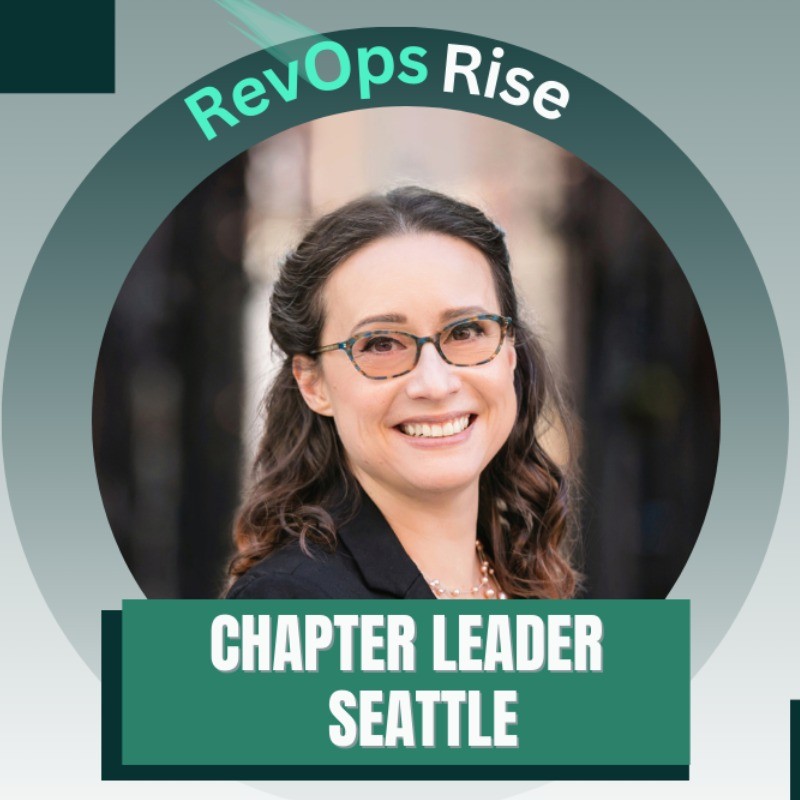
Toni Hohlbein
CEO & Co-Founder at Growblocks
Toni Hohlbein is the founder of Growblocks and joins the podcast to discuss the critical role of revenue operations in modern go-to-market strategies. With years of experience as a CRO and RevOps leader, he shares insights on how RevOps professionals can position themselves as strategic partners, including leveraging AI-driven solutions and creating high-impact QBRs.


Full Transcript
Janis Zech: So welcome to another episode of the RevOps Lab. We're here with Toni Holbein. Welcome, Toni.
Toni Holbein: Thanks, guys. Thanks for having me. It's been — it's actually the first time, so really, really looking forward to this.
Janis Zech: Yeah. Welcome. Same here, and it's always fun if you invite fellow podcasters because you feel you know them really well. But actually, we've met a couple of times, hosted a RevOps meetup together in London, which was really awesome. I've been following you and your show and Mikkel's show for a long time. Big fan. I think you're doing a fantastic job of thinking about all sorts of topics in-depth. And yeah. So maybe let's kick off with, like, what are you up to these days? And then we go into our main topic for today.
Toni Holbein: I mean, and I think this is — people listening, they might have heard of this already. We're basically in the process of shutting down Growblocks. Right? Kind of that has been a thing that obviously has been top of my mind for the last couple of months. And other than that, I mean, we're kind of pushing forward with the Revenue Formula that you just mentioned. People should totally check that out and subscribe if you like it. And otherwise, I'm thinking about my next step here. Still very undefined, very unclear, but that is lately mostly on my mind.
Janis Zech: Yeah. Awesome. Awesome. So, look, I mean, since ever I have been following you and listening to your stuff, you've always been a big proponent of RevOps to take a strategic seat at the table. And I think it's a big topic. Right? Like, that is a very active discussion in the community. So you actually wrote a piece about it, and today we wanna talk about that piece. But maybe before we kick off, like, why do you think this is important?
Toni Holbein: So I think some of this is biased from my own experience. I grew up through the revenue operations role. I went from revenue operations to CRO. And I think I have just seen firsthand — because, you know, I was doing it with a bunch of folks around me — I've seen firsthand what a really awesome position revenue operations can actually be in because it's so integral. It's so dialed into the web, if you will, of the go-to-market. And if you use that position really well, you can, I believe, create some outsized results for the organization. What I kind of really find sad is it's really difficult for leadership sometimes to kind of realize that. So that's kind of the out for RevOps. But many times it's also RevOps not being able to step into the position of like, hey, I can actually help strategically. And strategically, what does that mean? That means make more money for the organization or help them reduce costs. It's like one of those two things. And revenue operations sits there and can do that. Right? When you think about go-to-market as a massive, massive cost for every organization. And I just feel too few RevOps folks are able to do it and execute it and then kind of get the recognition, get the career trajectory. And that's why that's been pretty close to my heart for a pretty long time.
Janis Zech: Yeah. Yeah. I mean, I remember this SaaStr talk from Sapphire Ventures talking about go-to-market bloat. And how an AE to SDR ratio has changed, how an AE has an SE and a CS and how, you know, the overall P&L of a SaaS company is often structured around sixty percent in sales and marketing. The majority of investment goes into that. And then in times of efficient, sustainable growth, everybody just cutting headcount, and you talked a lot about it, right? And then still seeing long CAC payback periods and not really changing something. So I think this is really, really important. Right? This is really what makes or breaks companies. And so, yeah, why don't we dive in and hear more about your thoughts of, you know, what are things that RevOps folks can do to have a seat at the table or to earn a seat at the table, as Sean Lane would say it.
Toni Holbein: Yeah. So I think there are a couple of things. Right? Let's maybe go through them in no particular order and maybe what comes to mind first. I think, you know, you mentioned go-to-market bloat, Copy.ai, Kael Coleman is kind of very much around that. I think he invented this thing. I don't think it was Sapphire Ventures. I'm not sure — they're probably in on the deal. And the reason why kind of he's going for that is exactly what you pointed out. And what's the solution? Well, the solution might be actually some of the new technologies coming out. And this is really around, you know, obviously, I'm talking about generative AI — that's the new technology. And what I'm feeling, what I'm sensing is that this is getting a lot of airtime with executives. So right now, C-level, VPs, all of those guys and ladies, they're kind of looking at generative AI with very pink glasses on probably. But they're looking at this and hoping that they're able to cut a lot of costs away for practically, ideally the same revenue output. And I think, you know, there are a couple of vendors that are giving really good examples of how that can be achieved. But what I'm trying to say is that since this is getting an outsized amount of attention from the executives right now, I think if you as a revenue operations person — which is kind of in the middle of this whole thing and have the technical knowledge and have the understanding how all the different pieces work together in the organization — if you start thinking a little bit more about that aspect, you know, whether that's gonna work out or not, it doesn't matter, but it will probably get you into more interesting conversations with the C-level because they are currently interested in this. And what we're also seeing is that people that are selling AI, whether that's fake or not, doesn't actually matter, they do get a lot of interest from those C-levels suddenly. You know, over the past couple of years, and I think, you know, Janis, Philipp and I, we've all experienced that, it's really difficult to get a CRO on the call and demo them something, because like, oh, okay, yeah, some software, some SaaS, who gives a damn? I think that has changed a little bit. Like, as corny and shitty as it sounds, if you put the AI thing somewhere in there, you do get a little bit more attention from these guys right now. And as it's true for vendors selling to them, it's also true for internal resources, quote unquote, selling to them. That's why I'm saying, hey, this is a C-level topic right now, AI. Familiarize yourself with it, kind of get smart about it, and figure out how you can apply it in your go-to-market in order to reduce the cost footprint. And I think that can get you in those conversations a lot faster.
Philipp Stelzer: And I just wanna add to it. I fully agree. I think, like, the challenge here is really to bring that whole AI discussion from a very abstract visionary level to something that is super concrete and on point where you can run a small pilot to, I don't know, test automated SDRs. I don't know if this is a good idea, to be honest, but, like, you know, just like — probably for most companies, it isn't. But maybe for those where it is. And there are more examples. Right? Like, but don't make it like a visionary twelve month project where you do a three month investigation and so on and so on. Right? Like, nobody wants this. Do something super practical that doesn't require change management, that is easy to implement, easy to test. You get a clear calculation of the value. And like you said, it either reduces cost or it increases revenue. And probably cost reduction is easier to achieve than increasing revenue and also easier to measure. So focus on that. I think this is just my fear with AI — every time I talk to people about it, I think people are in this headspace where they think about it in too broad, too big terms, and don't make it so big. Like, make it just a small topic.
Toni Holbein: Yeah. Yeah. No. Exactly. And, you know, from those small stepping stones, this is also a good way to start the conversation, frankly. Right? If you don't have the clout yet in the organization that they give you a big project, well, you know, that maybe this year is something to start with. Right? And there's starting to be some really cool straightforward go-to-market use cases. Right? People know about the — hey, it writes copy for itself or it can generate landing pages by itself or it reaches out to folks as an SDR, which maybe you don't want to do or you do want to do. But there's also stuff like live coaching on the call, and it tells you, hey, have you checked your MEDDIC stuff yet? Or it gives you the ability to practice your cold call. Instead of practicing with live prospects, you practice with it. I mean, there are a couple of those ideas that are coming out that I think are starting to be much easier to sell to your boss. It's like, hey, boss, do you think it's better if the twenty new SDRs — maybe it's not twenty anymore — the five new SDRs that started last week, instead of them practicing with the prospects that we scrubbed for years and that we don't want to burn, would it be better maybe if they practice with AI first? Like, yeah. Like, that makes sense. Right? And this is just one of many examples, and some of them might not apply for your organization. But that's an easy logical thing to place and also very, let's just say, risk free to implement, frankly.
Janis Zech: Yeah. Yeah. Yeah. Yeah. It's so interesting. I saw a survey — I think Pavilion had a survey on, you know, who's actually using AI, and it was very, very low numbers. Quite interestingly, everybody talking about it. I think you just gave some really great examples. We had Justin Norris on the show lately, and he also hosts a podcast on mostly MarTech topics. And I think the whole top of funnel tech stack is changing through more automations and AI. Right? And I think in general, like, we're seeing — could also be explained as we all have a pipeline problem, whether that's pipeline generation, pipeline conversion, GRR, NRR being down, you know, like, and renewals and expansion. And I think there's a lot of potential in the outbound stack and the marketing stack for already very specific use cases where maybe, you know, the LinkedIn post is a bit worse, but it's not that much worse. It's anyways not clear whether the AI or the human is doing better, and then you think about the costs that are associated on the actual team side there. That is things that you can trial. I think that a lot of teams that have been very big on the top of funnel side will be a lot smaller, but a lot more technical, a lot more skilled in those things. And so that's — if you're at, like, ten, fifty, one hundred, two hundred million in ARR, right, you always have those experimentation budgets. You prove the point. And then if that actually, you know, has similar or better results, right, you can make a huge impact on bottom line for the company. So, yeah, it's just some thoughts here.
Toni Holbein: No. But also, I mean, just to kind of build on this and maybe then jump into what else you should be doing — you mentioned as well, like, hey, this is technical stuff. Right? Who in the go-to-market does technical stuff? It's revenue operations. It's so crystal clear to me. And that's why I think it's a great opportunity. Honestly, I think it's not just a hype. I think it's a little bit more than that. And that's why I believe this can be — if you own the topic or if you try to own the topic, I think it will give you more airtime with the people that, you know, you wanna impress. The next thing on my list would probably be, and I feel I'm beating a dead horse here, but it actually is — create a QBR, like create a quarterly business review. Do it. And why is it at the top? Well, Growblocks was big on that, like, hey, kind of use this, you have the QBR done, blah blah blah. So all of this to say is, I know for a fact that C-level, VPs, they wanna have those QBRs. Like, know this for a fact, but no one is actually creating them. Or when C-level is asking for it, it's like always this excuse of like, oh, you know, either the quarter was great, like, why do we need a QBR? We hit our target. Right? The quarter was shit, and then it's like, ah, you know, we're too busy. We need to focus on building pipeline. Right? So it's really difficult as a C-level to push this into the organization. And if you're the one taking this, I would say, unwanted task and delivering it, I can promise you this deck that you're creating there, this will find its way to the CEO, like a hundred percent. And then suddenly the CEO is like, okay, number one, can I have this again for next quarter, please? And number two, who wrote this? Right? And those are the questions you wanna have this guy or this lady ask. And that's then a way — it's like, oh, okay. You know, I have a couple of follow-up questions. Maybe I should have a meeting with that person to dig a little bit into this. And boom. You know, that's the way you kind of get — you step your foot into the door.
Philipp Stelzer: Yeah. And I just wanna — again, like, just one small addition here. I think you nailed it. Is if you don't have the time — I mean, that's totally possible — if you don't have the time to organize a huge QBR or you don't have enough buy-in, just do, like, a part of it. Just do some analysis and share these analyses. Also, the CEO will be interested in these analyses, and best case is they will ask for more. Right? And then you have the leverage to start a QBR. So, again, if you don't have the backing to do it, just do, like, a part of it. I mean, it's a bit of a different angle, but, like, I did that from a product management perspective, just like doing product analysis that no one else did at some companies I worked at, and then shared that also at the C-level, and they were like, oh, we've never seen this before. Interesting. Please tell us more. Right? It's just like a super objective, like, not selling yourself, but really selling your skills — a way to approach getting that attention and also future backing for other cool projects to start.
Toni Holbein: And the thing is — I did a LinkedIn post recently on this — analytical skills, it's not everyone has those, actually. Kind of we're always acting like, oh, I can read a dashboard. But that's not analytical skills. You know? And I think that, you know, to your point, you can start showing off your analytical chops without doing the whole QBR. I think you can start smaller, kind of one specific topic, like, I don't know, pipeline, for example, and kind of use that to elevate this. I think what's super important — don't make the mistake and think that everyone around you is also as analytical as you are. You need to create a story. You need to create a narrative. Because that's also what the CEO is gonna latch onto. This is what the CEO is gonna write in the Slack message to the VP of sales. That's gonna be the thing. Not like, hey, you know, those numbers went there and this went there and this went there. It's like, no, that's not the story. The story needs to be super crystal clear. And that is really the value of analytical skills, I think. It's like distilling the numbers down into a narrative. We throw numbers at each other. We throw words at each other, and that's what you need to find. Right? So that's the balance to strike. Philipp, absolutely to your point, if you can't do the full thing, start small. And then, you know, step by step over a little bit of time.
Janis Zech: So one more thought here, a little plug on revenue architecture. I think there's this table where you see the different layers of metrics. Right? So how do you tell the data story to a CFO or to a COO? And if you don't know how to do that, you know, just go online, look at some SaaS public companies, and read their financial decks. Right? Read their investor reports and try to understand, you know, what abstraction layer you're using. Right? And ideally, make it very clear — you know, one slide with some commentary that you read, and it's a hundred percent clear what the message is. Right? So per slide, one message with some commentary. And I think that's a very specific way to learn this. We're actually recording an episode tonight about data storytelling. And, yeah, I think it's a really important thing. Right? Like, the way executives talk is very different to some of the operational level. And so if you don't get it right, you know, it's misunderstood potentially. So I think a good way to train that is just look at some investor reports of public SaaS companies, learn how they do it, take one point per slide, put some data there and some commentary, potentially record a video even. Whatever makes it easier to understand. And then I think it's still important to not just go over the head of your CRO, right, like or whoever you report into because that can also be damaging. And then last thing I gotta say — don't just wait for the QBR. Right? Like, find time to analyze what's wrong in the business and bring it up proactively. I don't know if that's actually another point from you, Toni. Maybe it is. But I think it's so important because you have that skill set. Right? You have the analytical skill set. You have the technical skill set, and you should have the data storage skill set to actually bring it up. And if you do that persistently and consistently, then, yeah, I think it will have a good impact on your career.
Toni Holbein: I actually wanted to build on this point because it's also actually leading into the next thing that's top of my head here, which is, you know, one way to figure out if the topic is gonna be interesting for the recipient is to think through what the recipient's boss wants to see, you know. And if you're sending something to the CRO, think about what the CEO would, you know, is expecting from the CRO. If you send something to the CEO, think about what the board is expecting from the CEO. Right? Kind of always think one level up to figure out, okay, you know, he's busy with all these other things, but he's probably really interested in this one thing that he needs to report to someone. Right? And that's a good thing to center maybe a message around, so things to kind of really bring to their attention. But also, and this is the next point actually, it also speaks into your ability to show that you have business acumen. Like, that you actually understand what is going on in the business. Right? And like little anecdotes — so we had fantastic conversations with some RevOps folks, you know, when we were selling Growblocks, and they're like, oh, this is great, wonderful, yes, we buy this thing, just gonna send it to legal. And they had no clue that literally the next week, like, there was a fifty percent layoff across the whole organization. Right? They didn't have the realization what was actually going on with the business and that buying another piece of software maybe isn't the next best step here right now. Right? And kind of this understanding is extremely crucial. And the reason why it's crucial is it's really difficult to, as an executive, to have a meaningful conversation with someone when they don't at all get what's going on. When you just simply are not connecting on the issues that the executive has. Right? And that's why you need to build this. Right? And building — what does that mean? Having a good understanding of the business means not only, like, how many opportunities you're producing, what's your win rate, you know, all of those are kind of nice things, but it's really important — well, are you hitting your targets towards your investor? And are you on track on that or how far off are you on that? If you can — kind of how much gas do you have left in the tank? Like, how much money is still there until you need to hit the next milestone? Just to get some awareness of, like, you know, how urgent some of these pieces are. And then I would really recommend — understand why customers are buying your stuff. Like, understand that actually. You don't need to understand it to the technical level of, you know, there's some JavaScript here and there's something else here. That's not what I'm talking about. But why is it that they're buying it and why is it that they're buying this versus something else. Right? Getting this more holistic understanding of the business is so valuable when you then have the conversation with, I don't know, C-level, your boss, whoever, because this is how they're thinking about the world. Right? They don't think about your win rate. They think about not hitting this target because then they can't go out fundraise and, you know, this competitor or this thing that they need to develop. And that's just helpful for people to keep this in mind.
Philipp Stelzer: Yeah. I wanna add one thought. So think about whether you are a bootstrapped, VC-funded, or private equity backed company because those three things are fundamentally different. Right? And so your CEO will think differently depending on what the situation is. As most of the scale-up companies — and I think most of the listeners are in VC backed companies — think about what you need to hit to hit your next round. And so this is what the constant discussion will be in the board meeting. It's like, how far off are we trailing? And then take the changes of the last three years. That's why when you go to Pavilion events, they talk all about the transition from growth at all costs to efficient and sustainable growth. Because this is the fundamental change in the markets, the fundamental change of how — and then the biggest discussion right now in the investor community is actually not how many x is the company multiple of ARR, but how does the gross margin and cash flow profile look into that. So this suddenly has become a lot more important. And, you know, my point being, like, become familiar with the core SaaS metrics, how companies are evaluated. There's a few resources there. For example, the SaaS CFO, Ben, does some great courses on it. We had him on the show to talk about P&L metrics, SaaS metrics. Only CFO has a great newsletter on those things. And I think this is, as RevOps people, really important because that is what's happening in the board discussion. And so understanding that can be hugely beneficial to just understand what pressure the CEO is facing, the CFO, and the CRO is facing.
Toni Holbein: Yeah. Absolutely. Absolutely. Maybe transitioning to, I think, the last real one — and the last one is a little bit different. The last real one is — and it's coming up now, it's totally seasonal, it should be happening — planning. Right? And I think, at least this is my experience, I think RevOps is being more and more often proactively pulled into the planning process. We've been seeing this more and more often because CFOs are — I mean, it's a CFO who's running the plan, like, period. You know? Don't try and change that. But CFOs are pulling in those RevOps folks because they have all the access to the data. Right? More and more investors are asking, like, well, you know, okay. This is your financial plan, but how do you actually intend to hit this? Well, I wanna hire five AEs. It's like, okay. That's not enough. We need to understand better how you're actually going to hit this plan. And this is where they go like, okay, I probably need someone that knows their way around Salesforce or something. Right? So this is where you're being pulled in. And I think this is the right way to do it. I think there are also more and more folks reporting directly to the CFO where this is like second nature. But if you are pulled in — or if you're not being pulled in — what I have seen most of the time is you are at best kind of being supportive, like, hey, here's a set of data, now kind of figure out the rest. What I could recommend folks is actually to more or less build their own little model on the side. Like, yes, you know, Growblocks kind of did a couple of these things, but really think about what can be done from the bottom up, meaning from the commercial side, kind of in terms of hires and things that you want to do, and then looking at these things, where will you get? And this is a completely different conversation, completely different, also mindset wise, from, oh, we need to get to a certain milestone, because that's what we need in order to get funding. Let's try and find a way to rationalize our way down that this is an achievable target. Right? Kind of there's lots of crimes committed in this process, and at the end of the day, that process will win, period. Right? The CFO, CEO, the board, this is their process, and they will win this process. But if you create your own little bottom up way of looking at the world, at least you have another guardrail to cling on to and say like, hey, listen, folks, actually kind of I did this little thing here on the side. We ain't getting there, like, at all. And this can be a good conversation starter. Right? Please don't misunderstand that, you know, at best, this will lead to maybe a more data driven conversation around it, but you're not gonna be changing the budget around, by the way. You kind of don't have that power. But this can create a really nice pressure point of truth, actually, not of gamesmanship, but a pressure point of truth in order to make sure that those targets are well calibrated and the rest of the organization can fully buy into this.
Janis Zech: Yeah. And as a CRO, you want your RevOps team to actually work on this and then proactively communicate out as an insurance that you said, look, I said this and this and this in this email. It wasn't a realistic plan. Because the reality is, and this is why planning is such a pain and often so badly done, is it is a top down plan to achieve something, but it doesn't necessarily line up with the underlying metrics. I think this also stings from the top. It stings from the board. It goes down to the CEO, CFO, and then kind of the CRO is not the strong part in that conversation usually, whether you want it or not. And that's why we see this turnover every eighteen months, CROs being turned over. That is super unhealthy for the companies. It's super unhealthy for the CROs. It's super unhealthy for RevOps as well. So it's not a good state to be in. I think the great companies have CFOs that are go-to-market CFOs and CROs that have RevOps mindsets, and then they come together as FP&A and RevOps and work on it together, bottom up, top down. And then you know, okay, there's a gap, and we need to fix it somehow, but you at least know. And I think this is so important. And, yeah, I agree with this point, Toni. I think this is a big one. It's a really important one.
Toni Holbein: No. Absolutely. Anyway, so I think the — maybe let's go to the last point that I have on my list, which maybe isn't like a recommendation for everyone, but it basically means just leave, just go somewhere else. So it's not really solving anything. I understand that. There was this, I don't know, some influencer on LinkedIn in the marketing space was like, hey, what should I do when my CEO doesn't get marketing? It's like, well, then leave. Like, you know, that maybe is the solution for you personally, individually. But to a degree, I mean, I think you as a RevOps also need to figure out if there is room to grow. Number one, by the way, not everyone needs to be strategic. Like, it's not a must have that everyone is strategic. And by the way, also organizations don't need, you know, hundreds of strategic thinkers. They need a few strategic thinkers and then a lot of doers. Right? So this is not the end all be all destination of being strategic or anything like this. But if this is what you want to do, you need to assess whether or not the current place that you're at is able to deliver that. Right? And this might be because of many reasons. One might be that C-level doesn't get it. It's really difficult to quantify that, but maybe you come to that conclusion. Might be that your VP RevOps is already doing this job and she is not going to go anywhere because it's a great organization. Or it could be that the organization itself just isn't growing into the size where something like this is necessary. Right? If you're like fifty people and you're staying around that, you don't need a strategic thinker in revenue operations. You have enough of those chieftains already running around. Right? So there are a couple of things to consider to jump ship. That's what I think. Obviously, I don't think right now is the best time to be jumping ship anyway. So kind of you need to keep in mind what's the weather outside? Do I even wanna step outside of the building right now?
Janis Zech: Yeah. And I would say right now, it's, you know, it's pretty rainy. At least that's what I'm seeing.
Toni Holbein: Yeah. Yeah. I mean, you're in Copenhagen.
Philipp Stelzer: Yeah. Yeah. But I think — I think actually, this is maybe the most actionable point. Right? Because I know. I'm kidding. Just leave. No. But I think it's maybe one of those points where — if you're, like, unhappy for two years at the same company and all you wanna do is become more strategic and, like, then, I mean, I would honestly say for the sake of your own mental well-being. Right? Yeah. If you can afford it, yeah, definitely. At least, I think the number of people staying too long at one company is crazy. I personally — like, one of the best pieces of advice I've gotten in my life ever was, you know, always stay in motion. It was in German, so it's hard to translate. But basically, like, if you stand still, right, then it starts to become boring. And I definitely feel that. Right? Like, I mean, I can take it for, like, a year. Right? So, like, sometimes you have these times in a company where it just takes a moment to get to a specific point, and you have to grind through it, and that's the reality of it. And I think that's totally normal. Right? That's just how life is. Right? You have kids. You have to grind through a couple of tough years until maybe it becomes a bit more fun, for example. Right? But then, yeah, if it doesn't become better, then you have to leave. So I just wanna support that.
Toni Holbein: Yeah. No. I also say, I've seen a couple of careers blossom because those guys just stuck it out. Like, there's also the opposite to this actually, which is like everyone suddenly is realizing, you know, it could be a big acquisition. Maybe you got acquired or, you know, maybe there was a round of layoffs or something where basically, collectively, everyone in the organization from one day to the next decides this is a shit company. Like, everyone. Kind of I've seen this, you know, happening to myself, happening to the team, like, I've seen all of that stuff. If you're in those situations, you know, stick it out and then the guy or the girl that stays and is not negative, you know, and is actually positive and trying to do the best out of it, that can score you a lot of points with leadership, by the way, but also, you know, unhappy people in organizations, they will eventually leave and suddenly everyone leaves around you and then there's room for you to grow. Right? So there is some value in sticking it out. So it's not like an easy black and white decision of, okay, you know, not the place, move on. I think there are a couple of other nuances. But like, I think, especially in revenue operations wanting to grow up, there are greener pastures. You just need to start looking for them in the right ways — kind of go to those meetups, go to community events, like, try and get your name out, and then good things will happen to you for sure.
Janis Zech: That's awesome. I mean, really loved it. I think we could probably go on, and I'm sure there's a big debate around, like, you know, what are other things folks can do to earn the seat at the table. But, yeah, I hope this is quite useful for some of you. And do we have a closing question?
Philipp Stelzer: Yeah. We do. Yeah. We have a new — what's the new closing question?
Janis Zech: Yeah. Well, I mean, like, it's not that new. We asked it, like, the last couple of times, but so what is one book? You guys are so well prepared. It's insane.
Philipp Stelzer: Well, yeah. Extremely well prepared. Yeah. The last podcast recording, I think, is two weeks ago, which is, like, the longest time that we didn't record a podcast ever, maybe, in the last twelve months. So everything has been forgotten. So but,
More from RevOps Lab
Learn more about GTM & revenue operations
RevOps Lab Podcast


Free Forecast Cheat Sheet

Free RevOps Salary Report


