

#44 Measuring and Improving Sales Productivity
with
Laura Fu
,
Head of Revenue Operations at DevRev
September 3, 2024
·
38
min.


Key Takeaways
- Sales productivity is meaningless without context of capacity. Laura defines it as the efficiency of the sales org relative to the quota capacity set — if targets are unrealistically high, productivity metrics will look broken even when reps are executing well.
- Stop obsessing over the "70% of reps at 70% quota" metric — focus on bucket distribution instead. Laura segments reps into four quartiles (0–25%, 25–50%, 50–75%, 75–100%) and argues the real problem in most SaaS orgs is a U-curve: roughly half of reps sit below 50% attainment. The highest-leverage move is pulling the 25–50% bucket into the 50–75% range.
- Skill and will are separate levers — and you have to fix will before you can coach skill. "Will" is whether reps are doing the right activities (discoveries, new business meetings, PG time, self-development); "skill" is whether they're doing those activities well. Coaching on execution only works once reps are bought into the process.
- The best way to get reps to follow a prescribed process is to have top performers sell it for you. Laura brings bucket 3 and 4 reps into onboarding to demonstrate how they structure their calendars and hit their activity metrics — peer proof converts skeptics faster than any enablement deck.
- Moving reps from the 50–75% bucket to top performers usually comes down to one thing: teaching them to build a real business case. At Sprinklr, Laura ran a gated bootcamp (reps had to qualify in by closing initial deals) focused specifically on ROI modeling — framing value around revenue increase, cost reduction, or risk mitigation — which unlocked larger, multi-product deals.
- Use the same competency framework for hiring and rep development — then make leaders own the scoring. Laura built a rubric around competencies like pipeline generation, champion building, and territory management, scored quarterly by frontline managers. Leaders identified their team's weakest competency and pulled in enablement support on demand, keeping development leadership-led rather than top-down.
- Self-assessment is a forcing function for honest coaching conversations. In some regions, reps rated themselves against the same competency rubric before their 1:1s. When a rep's self-score didn't match the data, it created a structured, evidence-based conversation — and the gap itself became a signal of development potential.
Hosts and Guest

Janis Zech
CEO at Weflow
Janis Zech is the Co-founder and CEO of Weflow. He previously scaled his last B2B SaaS company from $0 to $76M ARR as CRO and shares practical perspective on measuring sales productivity, using clear metrics, and helping teams improve performance through stronger processes and leadership.

Philipp Stelzer
CPO at Weflow
Philipp Stelzer is the Co-founder and CPO of Weflow. He focuses on how revenue teams capture activity, inspect deals, and forecast inside Salesforce, and brings a product lens to the episode’s discussion of defining sales productivity, tracking performance, and giving managers better visibility into team execution.
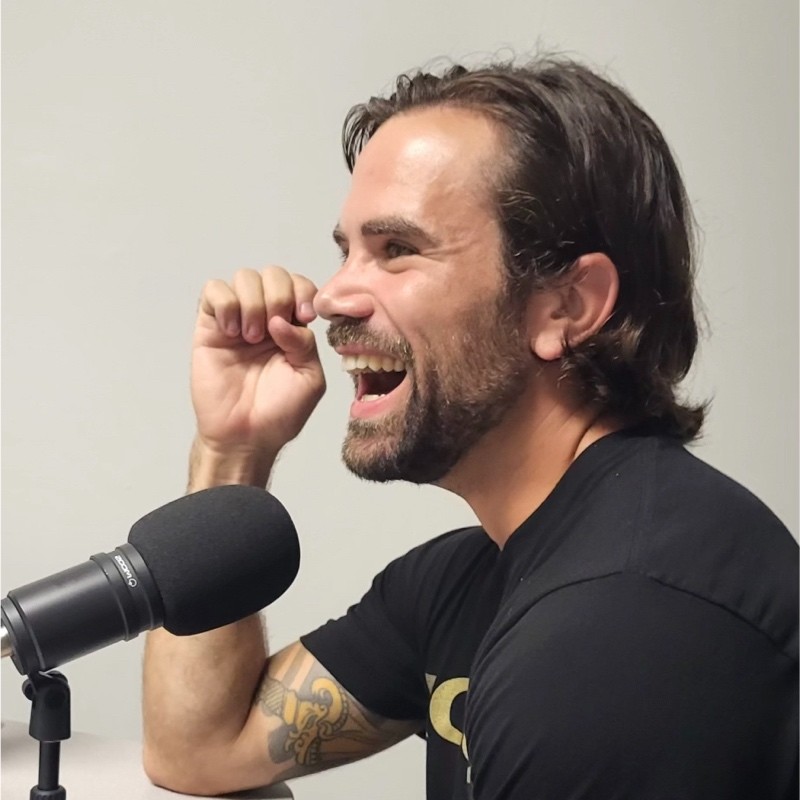
Laura Fu
Head of Revenue Operations at DevRev
Laura Fu is the Head of Revenue Operations at DevRev. She discusses her journey from the field to the back office and shares insights on sales productivity, including how to define and measure it, move reps through performance buckets, and use leadership, rigorous processes, and continuous learning to improve team performance.


Full Transcript
Philipp Stelzer: Hello, and welcome to another edition of the RevOps Lab Podcast. My name is Filip, and with me is Ioannis. And our guest today is Laura Fu. Laura, warm welcome.
Laura Fu: Thank you so much, guys. How are you doing?
Janis Zech: Yeah. Good. It's super early for you. Six AM.
Laura Fu: It's not too early. You know?
Philipp Stelzer: Afternoon for us. Two PM, I think. Very hot. Thirty, thirty, thirty five degrees. I don't know.
Laura Fu: Like oh god. I don't know what that is in Fahrenheit.
Philipp Stelzer: Hundred. Feels like one hundred.
Laura Fu: Probably, like, ninety, nineties.
Janis Zech: Yeah. Yeah. Yeah. So I hope the weather doesn't impact the performance too much today. I definitely have no AC here as it is very common in Europe to not have AC other than in the US.
Laura Fu: Yeah. Maybe let's just dive right into it.
Philipp Stelzer: Laura, who are you? What do you do?
Laura Fu: Thank you. So I run RevOps for DevRev, which is a company that connects the back office, the product, the product teams to the revenue office by making sure that everybody lives on the same knowledge graph and therefore can leverage their own proprietary AI. So I've been only at this role for, let's see, one month now. But prior to that, was running revenue ops functions for a variety of different SaaS companies. And I live in Palo Alto. And it is pretty cool right now. I'm gonna guess it's around sixties, which is probably like, I don't know, seventeen degrees maybe for you.
Janis Zech: Yeah. Sounds like a dream. Sounds like a dream.
Laura Fu: Well, the grass is always greener. Right?
Philipp Stelzer: So how did you end up in revenue operations? Like, was that your dream when you finished school? Or yeah.
Laura Fu: Yeah, I love that question. Actually, you know, I always talk about this and I think about like how when I graduated from college, my job didn't even exist, right? AI didn't exist. I spent a long time at Sprinklr. Social media didn't exist. So I'm very lucky to be able to land in these unique positions where we're really at the forefront of how organizations think and educating the market. It's all very exciting to me. And your original question was like, how did I end up here? In fact, most of my career, actually the front half of my career, actually, by now, I shouldn't say most, but like the front half of my career was really actually in the field, I was in the field talking to customers, selling stuff, selling services, selling software, being you know, first person on the ground to convince customers to like, buy something that they didn't even know they had a problem for. And in that journey, I came to realize how important a back office function was. And a lot of my work actually started when I was running international expansion for Sprinklr and helping them land in emerging markets for us. So markets like Japan and Brazil. And, you know, the back office function was really supporting a lot of the global functions. And, you know, these emerging markets didn't have that support. So I naturally, I think, gravitated towards that back office function just to make everything more smooth, especially as we got more people on board like how do we make sure that they become as productive as possible and take away a lot of that administrative work for them. Yeah, so that's how I landed there and then a big part of my role. One of my first, you know, back office roles was to actually enable and help the sales productivity for Sprinklr where I ran their sales effectiveness program for about three years, right before I left, and that was like, you know, very interesting. It was very interesting for me too, because I'd never, you know, been involved in sales efficiency in that way. So trying to figure out how to motivate sales teams and also give them just the right amount of information to get started was a really fun learning experience for me.
Janis Zech: I think this is one of the, like, top three stories of how people end up in revenue operations. One of them is, like, basically, your scenario, right, like, where you start in sales, but you're super curious about, like, hey. How can I improve this? How can I make this more efficient? How can I help my peers? And then just naturally somehow end up in sales operations, like, a couple of years ago or now, revenue operations. I love this every time I hear this. And you already made a great segue. Right? Because I think the topic we wanna talk about today is sales productivity. Sales efficiency definitely is a big part of it. Maybe just to kick things off, how would you, yourself, define sales productivity? Would you even call it that or would you give it a different naming?
Laura Fu: Yeah. Well, big question. So I guess sales productivity, yes, we should use that term because that is what people talk about, that's what board members, you know, think about when you talk about sales productivity. I define it as the overall efficiency of the sales organization, according to the capacity that we have set for them. So, that means, if the capacity that we've set is extra high and unachievable then sales productivity by default is going to be low. And you can say, yeah, well, you know, sales productivity is low, but efficiency is high, like CAC is, you know, CAC is low because we've set the quota so high. Right? So it's always, you always have to think about sales productivity as relative, I guess, to the capacity and the number that you wanna hit. And you'd be surprised. Some, you know, some organizations set their capacity and their targets, like, much lower than what's expected and some set them really high. So it kind of just depends on, you know, where you go with them. So sales productivity, I think, is relative to capacity and it's relative to the number that you want to hit. But when I specifically think about sales productivity, I don't think about it as an overall number, like on average, how many reps do how much percent of the number. I don't really think about it that way. I kind of think about it more as how many reps are hitting how much of their number. And when I look at that number, what I'd like to see is not just seventy percent of reps are doing seventy percent of the number. That's kind of a common metric, right? I kind of like to see too that when we're looking at the buckets of reps that are doing zero to twenty five, twenty five to fifty, fifty to seventy five, and seventy five to one hundred, I actually want to see that more reps are doing more than fifty percent of their number. And the reason why I think about it this way is, if you think about four quartiles, if you think about those buckets in four quartiles right. The reps in bucket four, in the fourth quartile, the best performing reps, seventy five and above. They are gonna be there, like, you don't have to do anything about it, they'll continue to be high performers. The reps in bucket three, fifty to seventy five percent, these reps are going to be naturally moving into bucket four unless something happens, like they become demotivated or something, you know, so they're naturally going to. It's the reps that are in zero to fifty that we really have to worry about. And in most SaaS organizations, what I've seen really is it's a U curve, right, where there are actually a lot of reps. It's like half of the reps are under fifty percent and then half of the reps are over. It's not seventy percent that we could be getting to seventy percent of their number. It's like half the reps are not doing at least fifty percent of their number. And what we really have to do is we have to move that. And the bucket that's most important for me is the second bucket. It's the twenty five to fifty bucket. Those are the reps. We gotta move those reps to bucket three to four. And there are going to be reps that are always going to be in the zero to twenty five bucket, the first quartile, right, we'll have to manage those out. Ideally, that's like a really small percentage. And it's not like a swing. It's not like, you know, most of the reps are either on the left or on the right. We want to make sure that sales productivity is linear and that everybody gets a chance, right? Everybody gets a chance to be successful at the organization. So that's kind of how I think about it in sort of a big long answer.
Janis Zech: Yeah. I really love this. I think this is a great way of looking at the different buckets and then essentially understanding health from there. Right? Like, how healthy is your organization? I think sales productivity is often used to measure the health of the team from an investor standpoint, which I think is really interesting because it's actually really hard to measure the health of a team. Typically, if you think about engineering product. Right? Like, but in go to market, it's actually quite feasible because it's so metric driven. So I really love how you describe this. I mean, you have a long history of, like, trying to change those buckets. Right? Trying to enable everybody to become more productive. Like, what are some programs? What are things you recommend? And maybe we can go bucket by bucket. Right? Like, I mean, I think you already mentioned the first bucket. Right? Over time, if they don't improve, you'll probably — I don't know if I understood it correctly, but, like, manage them out because you're assuming that they wouldn't, you know, improve. Right? But, yeah, what do you do with maybe the first, second, third, fourth bucket, and how do you look at it?
Laura Fu: Yeah. Great question. You know, I think if we look at reps that are in the first and second bucket, which is the buckets we really care about. Right? I like to think about skill and will. Skill is the eventual performance of the rep, is how they end up doing. Okay. But will is actually, are they doing the right things? And skill is, do they do the right things the right way? Because that will lead to eventual performance. Right? But let's talk about the right things first. Like, what are the right things that we want them to do? And I think this is especially true for sales. You know, I had a sales leader once that said, sales is the closest thing to a professional sport. And if you think about professional sports, like what is professional sports? How do you become the best team? You practice, right, you practice, you practice the plays, you do the same drills every day, right. And so, the right things in an organization and the sales organization tend to be like specific leading indicators such as how you run your discovery meeting, how do you conduct your first new business meeting. How do you build a business case or an ROI, those kinds of things, right? Very specific activities and milestones within the sales engagement process within your calendar. Do you make time to do pipeline generation? Do you make time to do your own development? So those are all the right things. And I think in a really healthy sales organization, you'll have all of these things that are prescribed for the team members to say these are the right things, you don't have to go figure them out. We already know that these are the right things to do. And to be honest, it's not materially different, I think, from, you know, organization to organization, they're usually about the same things like, are you making time for your own development? Are you making time for, you know, pipeline generation, right? And I would say that a lot of the times when reps come into the organization, especially if they've come from an organization where, you know, they didn't have the Sales Academy, they weren't trained to be a seller, right? They may come in and they may say, hey, I don't believe in these things. I've sold before, so I'm just going to do it my own way. And I would say that for those kinds of sellers, some of them get over the hump. Some of them say like, okay, after a little while, what I'm doing is not working. So let me try what somebody else is doing right. But to accelerate that, I think what we really need is to just inspire them that these are in fact the right things to do. And that it's not just theory, it's not paperwork. These are really how the best sellers have operated. And that mostly comes from the sellers in buckets three and four, like telling their stories. So when we're running an onboarding program, for example, we're telling them, here are the, this is the way that you should set up your calendar. These are your metrics, these are your goals, you need to be doing ten discoveries a month, you need to be doing ten new business meetings a quarter. We try to bring in the reps that are doing it really well, and bringing them in and showing them how to do it, so that they can feel like they are able to get to those goals and they can feel like this is the right thing because somebody else that's successful is also doing it. So I think it really comes down to first that inspiration, like, do they feel motivated to do those things because they know that it's the right thing to do? Or do they feel like, well, it's a checklist, I got to go through these, I got to record my numbers. And then, you know, I think this is a good time actually to talk about Peter's quote. So Peter Kazeni, hope I'm saying his name right, had a post on LinkedIn a couple of days ago, and it was a picture of the TV show The Bear from Hulu. And basically, his post was saying that sales professionals, you know, we are so inspired, and we hold in such high regard the rigor of television shows like The Bear, where it shows like the big hustle. And yet, when we give them a prescribed thing to do, like this is the way you need to do your discovery meetings, they start to say hey you're cramping my style, don't tell me how to do things. I love that quote so much, because I used to be a chef. And, you know, one of the reasons why I decided I couldn't stay in the kitchen was when you work in the kitchen, when you work on the line, you have to produce the dish exactly the way that the chef has asked you to do. You have to show up at work at ten am, and you have to prep eight hours for dinner service of just three hours. Okay, so it's like three times as long prep. And you have to cut the vegetables exactly the same way. And every time you make the dish, it has to be exactly the same. And so what I wanted to do was I loved cooking, and I just wanted to cook whatever I wanted, whenever I wanted, for whomever I wanted, at whatever price. That's a hobby. That's not a job, right? So I think, like, you know, we think about these creative jobs like a chef or an artist, whatever, like, we think, that's a lot of creativity, you know, and I think sometimes with sales, we think, oh, we can be really creative with sales and it's a good opportunity for me to show my style and all that. And yes, some of it is true. But I think some of it is also, to get to that point where you can say, this is the way that I'm going to deliver the meeting, you have to have that rigor, you have to have those hours of standing on the line and cutting the vegetables the same way and delivering it with this rigor. And then you can start to say, okay, how can I do it slightly different that incorporates my own style? So, I think the delivery itself is where the rep's creativity comes in. The execution of what to do and when you do them, that is a rigor that should be defined by your sales process, right, should be defined by the qualification methodologies that you use, MEDDPICC, whatever, should be defined by the leading indicators. And, you know, I think like getting to that point of establishing that is my job. I have to know what those things are. And I have to know why they matter. And then the next job is getting everybody on board. Let's measure the team. Let's see whether, you know, buckets one and two, are they doing the right things? Let's start with doing the right things. They may not do it the right way first, but that's okay. As long as they're doing the right things, then we can actually coach them on doing those right things the right way.
Janis Zech: Right. So I have a question or, like, I have a thought and then a question. So I think you mentioned something which I truly believe. So I've been founding companies for the last fifteen years and, you know, probably hired, I don't know, maybe, like, eight hundred, a thousand, a thousand two hundred people over the years. And I think what I could see is that, you know, like, you have people who are just really interested and curious, and they just wanna learn, wanna grow. They're open minded, and they just go. Right? And so I think, you know, if you find those kind of folks, they're often, you know, like, they have a strong talent and the right willingness to succeed. And so I think that's kind of the ingredients. But what you're basically suggesting is that's kind of your willingness, but then you have to match it with essentially a program that outlines what are the right things to do. And so, like, how do you know what are the right things to do? Right? Like, how do you find out what they should actually do? And then, I mean, you mentioned a few examples already, like, you know, to bring in, like, top reps to show them. But, like, you know, like, obviously, I assume this is quite, like, metrics driven or quantitative. What are the leading indicators you're thinking of, and how do you discover those to actually know what has the impact you desire for folks to be in quartile four?
Laura Fu: I would say that, in general, the things that are common across most organizations are going to be the real front half of the sales cycle, which is about how the rep generates pipeline. And those are going to be common across every, you know, every organization. How do the reps generate their pipeline? And are they spending time doing that? And if you think about pipeline generation, right, the way to get to it is really research, doing the outbound discovery meetings, like how many discovery, how many calls, how many people are you meeting within the organization that you're prospecting to. And then the new business meeting, and I love the new business meeting because that is basically what kicks off your sales campaign. It's where you get an alignment of all the stakeholders and you go, are you guys ready to evaluate something for your problem, and getting them to have that meeting. It's kind of like the end of a first date. Right, where the best result of the end of the first date is actually a second date. And it's actually acting on the first date. Hey, do you feel like there's something here? Should we go on a second date? That's a tough question to ask because you don't want to be rejected, right? You don't want to be like, well, I'm not sure. But that's really like, I think the mark of a good salesperson when they're able to come into that meeting and ask that question. They don't have to have the answer right now but basically say hey, if you're not interested that's okay let's walk away from it, because I've got all these other meetings lined up and one of them is going to become another new business meeting that's going to turn into a pipeline. So, I would say, if we focus on those things, discoveries, new business meetings, outbound activity, research, how many people they're meeting within the account, that tends to be the best things to focus on. And that's a really good indicator of whether they're going to be successful because at the end of the day, if these reps are able to build pipeline, it means they can do really good discovery, they can find the problems, they can be curious about their customer, and they will also be curious on how to solve that with the technology that you have and that you're selling. And everybody's going to come from the organization to help them sell that so they're going to have a lot of help. It's like that first hump of trying to figure out how to get them to be like good prospectors upfront. And, you know, one other thing that I'd just add to that is, that's true also for the new reps that come in, right? And specifically for sales productivity for new reps to the business. I always like to say, hey, let's focus them on are they able to build their pipeline versus when's their first deal coming? If they build the pipeline, that first deal is gonna come.
Philipp Stelzer: One thing I'm curious about here, you mentioned, like, how well they research the prospects, you know, before the meeting. That makes total sense to me. But in contrast to, you know, like, pipeline generation activities, that's, of course, a lot harder to measure. So what I'd be curious in is, like, how do you look at that? Like, how do you vet reps whether they actually do good research? Because at this moment, like, I wouldn't have, like, a good idea of how to do it.
Laura Fu: Yeah, I think a lot of it is qualitative. But I would also say that if they're getting good conversions from their discovery meetings, and from their new business meetings, it's because they did good research on the prospect. Prospects like to engage as a buyer, I like to engage when you know about me. And that's part of doing the right things the right way. That inspection, that coaching on like doing things the right way, that has to come from the frontline leader. That has to come from listening to the Gong calls, right, to the call recordings, watching the transcripts, like getting the snippets, like that has to come from that. It has to be an effort from the hiring manager and from the leader. That's when they're doing it the right way. But the other thing that I'd say to you is, how are we spending time prepping with our reps before the actual meeting? And sometimes, you know, it's the last thing on the list, right? We want to be in the customer meetings, and we have so many things to do. We're like prepping with the rep and making sure that they've got everything ready is sometimes the last thing but it's really the most important thing because it really tells you if they went and did that effort. Like if you look and see, wow, their account plan is so built out. They've got a pre call script, right? They've given me a brief on who everybody is before I show up, then, you know, they're doing the right things the right way.
Janis Zech: Yeah, I think it's such an important point. I mean, I think, especially in times now, where you can find so much information on the internet, right, like, you come into a discovery call and you don't know what the company does. You don't know whether it's sales led or product led. You don't know who are the right stakeholders in the buying committee. That's all there. Right? It's all a question of, did you put in these, like, ten, fifteen minutes? It's not even that long if you're, you know, used to it. Right? Like, you can do it quickly. If it's a big account, you might wanna spend a bit more time, obviously. And there's even tools helping you to do that. So there's really no, like, I think, justification of showing up unprepared, especially in times like this, right, where, like, pipeline generation has dried up. It's really hard to get meetings. A lot of the buying journey is actually outside of your control. Right? Like, actually, most buyers don't wanna talk to sales, they spend a lot of time researching, you know, finding information outside of the process. So I think it's such an important point, and the point of, like, discovery to kind of the next meeting, whatever that looks like. Right? I think it's a great way to actually quantify it in that sense.
Laura Fu: Janis, you know, you made an interesting comment about, like, how all the information is available, like in Google, online, etc. And now there are tools that help you do that. They give you all the information all packaged in one thing. And I also read another post recently about how sales engagement tools have made sellers a little bit lazy, right? Because it's given them everything in one packet. So I think it's also a balance. Like, okay, you've got all these tools. Are you using them? But are you really understanding what these things mean? Because like pulling all that information and even if you have it delivered on a plate, like you still have to figure out like, how do you connect those dots between the customer's problems and what you might potentially do for them. And a good seller is going to be able to articulate that and connect those dots for their customer and for themselves too.
Janis Zech: Yeah. It's such an important point. I mean, I think there's kind of the table stakes, right? But then what you really discover is, like, how do we stack rank against the strategic priority and pain? And, you know, how difficult is it if you don't change right now? And do you actually have a viable solution to solve that pain? I always feel like, you know, once somebody on the other side, right, like, realizes, oh, you know, this is a top three priority pain. And it really depends where the pipeline generation comes from. Right? Like, inbound is very different to outbound, and so your discovery meeting will run very differently. But I think to your point, right, like, not all opportunities are created equal. And so really figuring out that specific pain and whether you have a viable solution and whether the, you know, prospect buys into the solution is obviously super, super crucial. Maybe just a different, like, question because you mentioned the four buckets. I mean so, like, what would you recommend to do with, like, the the fifty to seventy five percent bucket? Right? Like because, obviously, there's a lot of potential. Right? If you get them into the top performing bucket, there's a lot you can do there. Like, how do you typically deal with that? Is that more customized to the individuals, or is there other types of programs you're running? Yeah. Super curious how you see those.
Laura Fu: Yeah. I think those reps are the reps that, you know, they've mastered some sort of, like, rigor and fundamentals. And what they need is just that push. For example, most of the time, it's like taking a risk and doing a deal that is not super clear cut, you know, so it's not like selling one product that they've always sold. It's like selling two products at a time to do a bigger use case, right. So it's not doing that, you know, standard one hundred thousand dollar deals. How did they get to that five hundred thousand dollar deal? And once they do that one big deal, and they figure out how to sell a bunch of products, sell the suite, sell the platform versus the single product, once you get them over that hump, that just changes the course of their career, they're in bucket four for most of their life. The big thing that we did find to help sellers, these were already kind of the good ones, making them great, was really teaching them how to run a business case and creating that business case for their customers. And it wasn't just like a one sheeter. It was like really getting them to think about the math behind it. Was it increasing customer revenue? Was it decreasing their cost? Was it decreasing their risk? And like teaching them how to put together a real nice document of their point of view and you know how all these things came down to it. And typically at Sprinklr, for example, we ran this program, I want to say like maybe five or six months after they initially started. So this was like, you had to qualify into that bootcamp, you know, you had to do all these things and, you know, get to some milestones like closing a couple of deals or whatever, and then you could do it. And then it made sense for you, basically.
Philipp Stelzer: One thing I'd also be curious about is, like, so sales productivity, of course, also has a lot of impact. I mean, the higher the sales productivity, right, like, the more is the revenue potential of the organization, it has an impact on hiring and many many other aspects. Like, how do you make it, like, how do you loop in leadership? How do you really make it, like, an ongoing effort that is, like, well understood at your organization? Like, is it, like, just creating a culture, or do you also utilize tools to help with this? Is it, like, about building dashboards? You know, how do you make it a thing that really sticks at an organization?
Laura Fu: Great question. So we actually had a rubric around, we have one today too, around what we're looking for in new reps and the experience competencies that we're looking for when we were hiring reps. Okay. And these competencies, they were things like qualification, champion building, pipeline generation, territory management, things like that. Okay, so they were like, these things that we're looking to hire reps against. And we would use those same pillars to develop our reps. So there was a real nice like, these are what we're hiring for, these are what we're going to develop. And we would actually score our reps and it would be something that we would do on a quarterly basis, right, where the leaders will come together, they would say this is where my reps are. This is a table of my team and I'm going to score them. Let's say my average score across all of my sellers is a, you know, four point five for pipeline generation out of five. Great. My next seller, maybe they don't need to be as good in pipeline generation, but maybe they have to be better at champion building because the average score of my team is a three. Right? So how do you hire to also balance out your team, I think is really important. And, you know, the relative skill really doesn't matter. I mean, the absolute skill doesn't matter. What matters is the leaders being honest with themselves and saying that in this competency, my team is doing better. Right? In this competency, I'm not so strong on my team, what can I do to develop them. And very often the leaders will come and they would say, hey champion building, I think I need more of that in my team, can you come and do a workshop for me. So it was always like leadership led and they were the ones that were responsible for saying, you know, what they needed, right, and we would help them with it. So I think that line, I guess, or, you know, that progress from hiring all the way through development was super important. And then we did have data packs and dashboards that we show the leaders. Here's how you'd be measuring your reps, like what does it mean to be good at pipeline generation. If they've created zero pipeline and they've done zero discoveries, can they be good at pipeline generation? No. So there was an objective way where we actually had lagging indicators, actual metrics, and then leading indicators, just behavior, that would show and reflect what it would be like to, you know, be good at that particular competency.
Janis Zech: Okay. Great. Yeah. No. I really like this, like, hiring people with a specific framework and then taking that framework and then using that also to continue to develop. I think that's super strong and also to loop in, like, the frontline managers and really make sure, okay. Hey. Like, every quarter, you actually need to give a rating. Just curious on the rating. Like, did you have, like, a specific rating system there in place using, like, one to four, one to five, I don't know, one to seven? This is always like, I often had this, like, as a big debate. So just, you know, if you're, like, one to five, then, like, often, like, people like rate like a three, that's not so helpful. What does it mean? Yeah, just curious if you have like any suggestions on that.
Laura Fu: I'd highlight just keeping it simple. I think one to five is great. But you know what we did too was in a few regions, we were able to get to the point where the reps themselves were rating themselves. So they knew exactly the competencies that they were being measured on, and they would rate themselves and in their one on one they would bring their development plan. And they would say, hey, I'm, you know, five on pipeline generation. And the difficult conversation would be if your rating didn't match up with the rep's rating, right? How would you have that conversation? And that is going back to the metrics, that is my responsibility to provide to them and saying like, okay, well, tell me why you think you're five, you know, and do the metrics really show that? So I think having that conversation was the difficult thing but necessary, I think, to get to up level the team.
Janis Zech: Yeah. And, I mean, that's also, like, a great skill, actually, that shows that this person has, like, development potential if they can actually, you know, sort of, like, judge themselves somehow in a somewhat good, accurate kind of way that actually matches the reality and perception of everyone else around them, at least to some extent. Right? There's always, like, you know, little dark spots, I think, that everybody has. But yeah. Laura, I think that's great, and it feels like a good place to end. We always ask our guests one final question, and that is looking back at your career, what is some of the most outstanding things someone has done for you that has really impacted your life or personal or business development?
Laura Fu: Yeah. Thank you. I think I'm going to go with actually a very recent experience. And that was with the founders of DevRev, Manoj Aggarwal and Dheeraj Pandey. And they were also the very early CEOs of Nutanix, which is today like a two billion dollar company. So, you know, Dheeraj, who's the CEO, is a very busy person, you can imagine what he's up to. But, you know, I got hired at DevR

Learn more about GTM & revenue operations
RevOps Lab Podcast


Free Forecast Cheat Sheet

Free RevOps Salary Report


